

Why Advanced Eye Care Technology Matters for Diabetic Patients

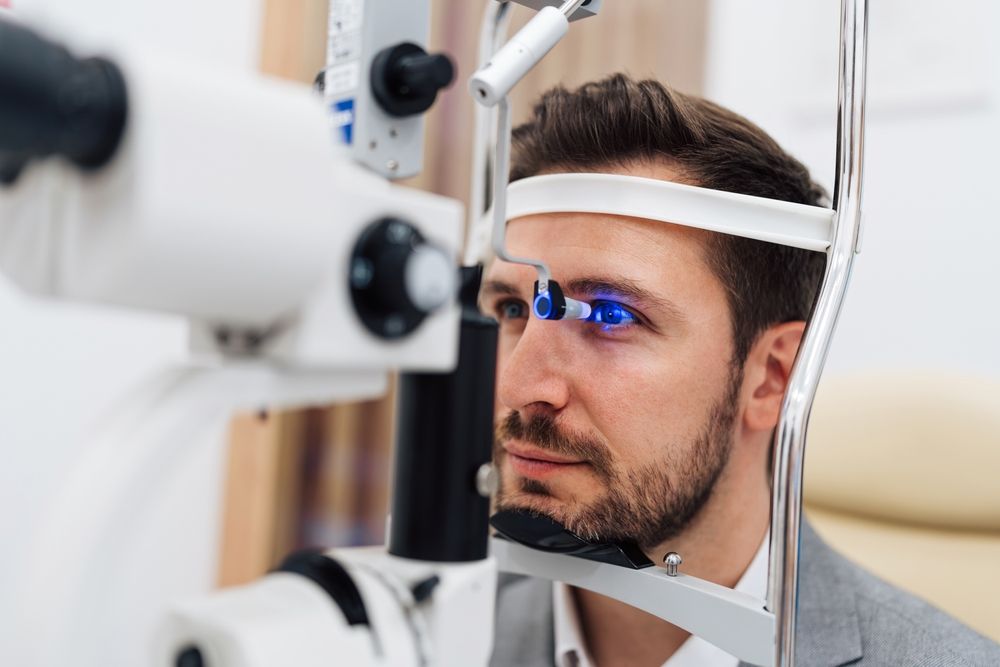
Diabetes is one of the leading causes of vision loss among adults, often progressing silently until noticeable damage has already occurred. For diabetic patients, access to advanced eye care technology plays a critical role in early detection, ongoing monitoring, and preserving long-term eye health. At Williamsburg Eye Care, we believe that combining annual diabetic eye exams with advanced diagnostic technology gives patients the best chance at early detection in order to protect their vision.
How Diabetes Affects Vision
High blood sugar levels can damage the tiny blood vessels throughout the body, including those in the eyes. Over time, this damage may cause blood vessels to leak, swell, or become blocked, reducing the eye’s ability to deliver oxygen and nutrients to the retina. Many diabetic eye conditions develop gradually and may not cause symptoms in the early stages.
Common Diabetic-Related Eye Conditions
Diabetes increases the risk of several serious eye diseases, including:
Diabetic Retinopathy: The most common diabetic eye condition, diabetic retinopathy occurs when damaged blood vessels in the retina leak fluid or bleed. In advanced stages, abnormal new blood vessels can form, leading to severe vision loss if left untreated.
Cataracts: People with diabetes are more likely to develop cataracts at a younger age, causing cloudy or blurred vision.
Glaucoma: Diabetes nearly doubles the risk of glaucoma, a condition that damages the optic nerve and can lead to permanent vision loss without early detection.
The Importance of Annual Diabetic Eye Exams
Annual diabetic eye exams are essential - even if your vision feels normal. During a diabetic eye exam, your optometrist evaluates not only how well you see, but also the overall health of your eyes, with special attention to the retina and blood vessels most affected by diabetes. These exams are designed to detect the earliest signs of diabetic eye disease, often before any symptoms are noticeable.
Early detection is critical because diabetic-related eye conditions are most treatable in their early stages. Identifying changes early often means more treatment options, better outcomes, and a lower risk of permanent vision loss.
Diabetic eye exams also establish an important baseline for your eye health. By comparing results from year to year, your optometrist can track subtle changes over time, monitor disease progression, and intervene promptly if problems begin to develop.
How Advanced Eye Care Technology Makes a Difference
Modern diagnostic tools allow eye doctors to see far more than what is visible during a standard eye exam. Advanced technology helps detect diabetic eye disease earlier and monitor it more precisely.
Optical Coherence Tomography (OCT): OCT provides highly detailed cross-sectional images of the retina, allowing doctors to detect swelling, fluid buildup, and structural changes that may not yet affect vision.
Retinal Imaging: High-resolution retinal imaging captures detailed images of the back of the eye, documenting blood vessel health and identifying early signs of diabetic retinopathy. These images also allow for accurate comparisons over time.
Together, these advanced imaging tools, along with a comprehensive dilated eye exam, help ensure earlier diagnosis, more accurate treatment planning, and better long term vision outcomes for diabetic patients.
Stay Ahead of Diabetic Eye Disease at Williamsburg Eye Care
For patients with diabetes, advanced eye care technology allows for earlier detection, closer monitoring, and more effective management of diabetic eye disease.
If you have diabetes, prioritizing your eye health is essential. Schedule a diabetic eye exam at Williamsburg Eye Care to take advantage of advanced diagnostic technology and proactive care designed to protect your vision. Visit our office in Williamsburg, Virginia, or call (757) 564-1907 to book an appointment today.


Monday
8:30 AM - 5:00 PM
Tuesday
8:30 AM - 7:00 PM
Wednesday
8:30 AM - 5:00 PM
Thursday
8:30 AM - 7:00 PM
Friday
8:30 AM - 5:00 PM
Saturday
As Scheduled
© 2026 Williamsburg Eye Care - All Rights Reserved Accessibility Statement - Privacy Policy - Terms and Conditions - Sitemap
Powered by 
